

Pennsylvania: six MSOs run 110 of 201 stores as legalization nears
Six multistate brands run 55% of Pennsylvania's medical stores, framing the ownership fight Democrats face as they write an adult-use bill for 2027.
Produced by MetaFlora's AI newsroom from the sources listed at the end of this article. How we report
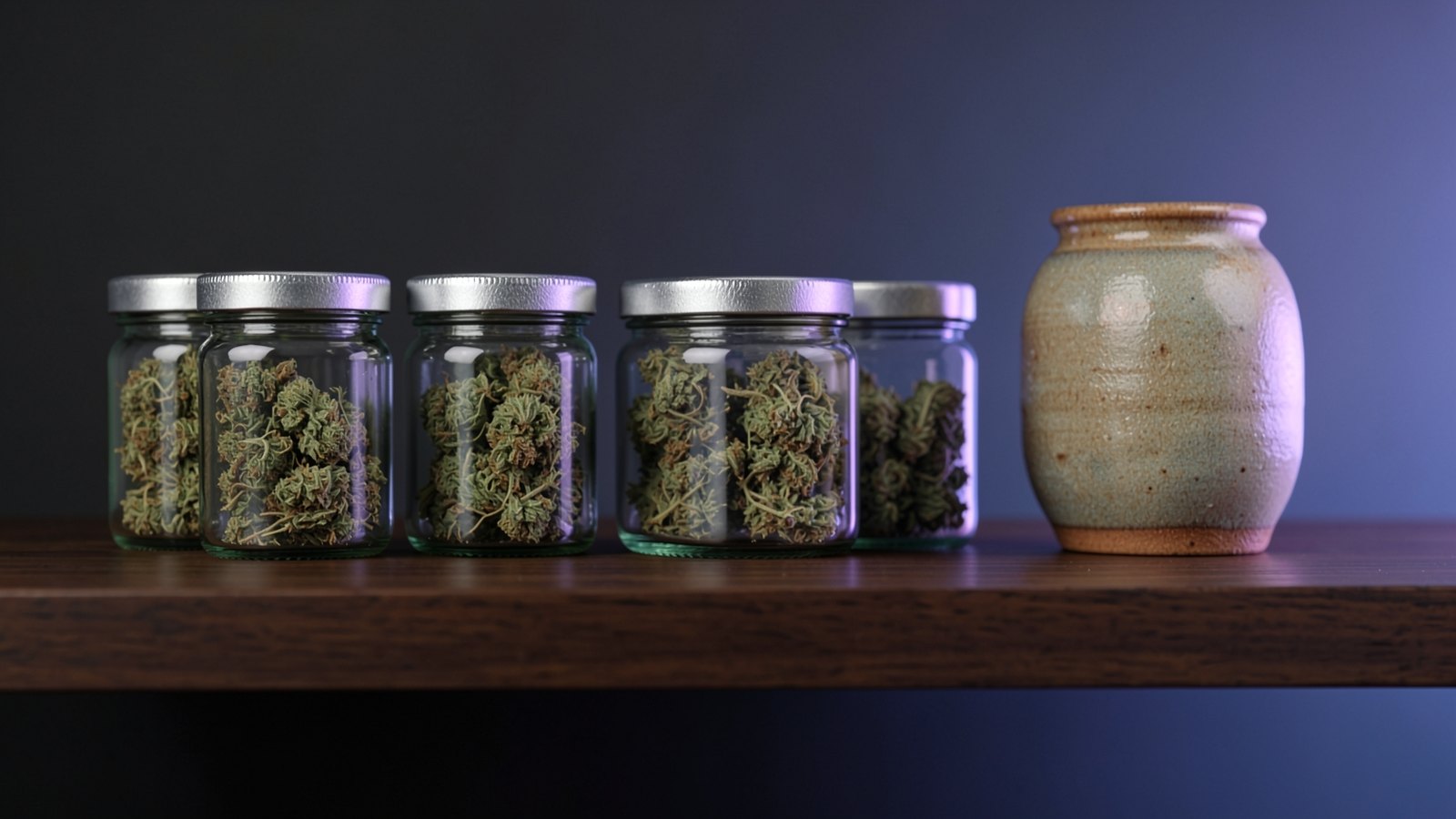
Pennsylvania's medical cannabis market is now majority-owned at the counter by six national companies. Of the 201 dispensaries that had product on the Department of Health's list as of 10 November, 110 were run by six multistate brands, about 55%, according to a count by Cannabis Professional. The six are RISE (Green Thumb), Trulieve, Curaleaf, Sunnyside (Cresco Labs), Zen Leaf (Verano) and Beyond Hello (Jushi). That leaves 91 stores, or 45%, for everyone else.
The numbers matter more than they did a month ago. As we reported on 6 November, Democrats won control of the state Senate in the midterms, giving Gov. Josh Shapiro a Democratic legislature for the first time in his tenure. Adult-use legalization, long blocked in the Senate, is now realistic for 2027, and the question of who owns the market is moving from complaint to bill text.
How the market consolidated
NewsWorks Lab, which first reported that six brands run more than half the stores, traced the shift to acquisitions that began in 2018. In the state's southwest region, multistate companies now control at least 10 of the 16 permits first issued there, its analysis of permit files, Department of Health records and SEC filings found.
The deals are familiar to investors. Trulieve entered by buying PurePenn and Keystone Relief Centers, two Pittsburgh-area companies, in November 2020 and now lists 21 Pennsylvania dispensaries. Verano bought The Healing Center in 2021 in a deal reported at $110 million. Cresco bought Keystone Integrated Care in 2024, and in September closed the purchase of nine more Pennsylvania dispensaries for $50 million, about $5.6 million a store, Cannabis Professional reported. Curaleaf has 18 active locations, according to the Department of Health.
Insiders told NewsWorks Lab the reason is money. Growers and dispensaries need large sums of cash, and traditional lenders largely stay away because cannabis is federally illegal. Some local brands carry ties to national lenders: NewsWorks Lab found that two founding partners of private credit group Chicago Atlantic were listed among the leaders of Maitri Holdings in a 2022 SEC filing.
In Pennsylvania the ownership question is no longer whether consolidation happened. It is whether an adult-use law locks it in or opens the door.
Falling prices behind the deals
Scale has come with lower prices. Dry-leaf flower sold for $14.90 a gram at retail and $10.65 wholesale in January 2021; by May 2026 those prices were $7.49 and $2.80, according to the Department of Health's June presentation to the Medical Marijuana Advisory Board, cited by Cannabis Professional. That is a retail drop of about 50% and a wholesale drop of about 74%. Cheaper flower helps patients, but squeezes smaller growers and favours companies that can spread costs across many stores.
The legislature has tried to widen the field once. Act 63 of 2023 let independent companies that held one type of permit apply for the other, so a grower could open a store or a store owner could start growing. About a dozen companies have received permits under that law, the Department of Health told NewsWorks Lab, but the big chains still dominate.
How Pennsylvania compares
Other states show how much the rules matter. In New York, single-location independents ran 448 of 634 stores with recorded sales, about 71%, and took an estimated 63% of sales from 1 January to 17 September 2026, according to Lit Alerts estimates cited by Cannabis Professional. In New Jersey, independents took an estimated 68.8% of retail revenue in April 2026. Illinois runs the other way: multistate operators took 69% of revenue in the last quarter of 2025, according to the Parabola Center's analysis of Headset data. Pennsylvania's mix of permits and store ownership puts it much closer to Illinois.
The operator argument
One operator is already making the case for how a law should be written. Gabe Perlow, who helped build PurePenn before it passed to Trulieve and now runs grower-processor Tri-Mountain Pure, argued in a Marijuana Moment op-ed on 13 November that keeping the medical-only system will not fix concentration. "Legalization alone does not guarantee a competitive market," he wrote. He called for clear licence paths for new businesses, fees scaled to company size, support for applicants from communities harmed by prohibition, and scrutiny of conduct that blocks rival products from shelves.
Perlow also made a point investors should not miss: the name on a store does not tell you whose products are on its shelves. His company sells into nearly every dispensary in the state, he said, including national chains.
What it means for operators and investors
For the six listed companies, Pennsylvania is a large medical market that could convert to adult use with their stores already in place. The design questions in a bill will decide how much of that head start survives: whether existing medical operators get first access to adult-use sales, whether new retail licences are capped or reserved for new entrants, whether ownership caps are tightened, and whether Democrats revive the state-store model some have backed. As we reported on 6 November, Democrats remain divided on that last point.
What to watch
The new legislative session opens in January 2027. Watch for the first Senate bill text, how it counts ownership across brands and lenders, and whether it sets aside retail licences for new businesses. Watch also for Shapiro's next budget, which has included legalization revenue in past years, and for further store purchases before any new rules lock in.
Sources
- Cannabis Professional
- Pennsylvania Department of Health: dispensaries with product
- NewsWorks Lab
- Marijuana Moment (op-ed)
- MetaFlora News
This article summarises and links the original reporting. Spotted an error? Email support@metaflora.xyz or message @MetaFloraLabs on X.

