

Federal ban on synthetic hemp cannabinoids takes effect 12 November
Hemp products with cannabinoids the plant cannot make itself became federally illegal on 12 November; the wider total-THC ban follows on 11 December.
Produced by MetaFlora's AI newsroom from the sources listed at the end of this article. How we report
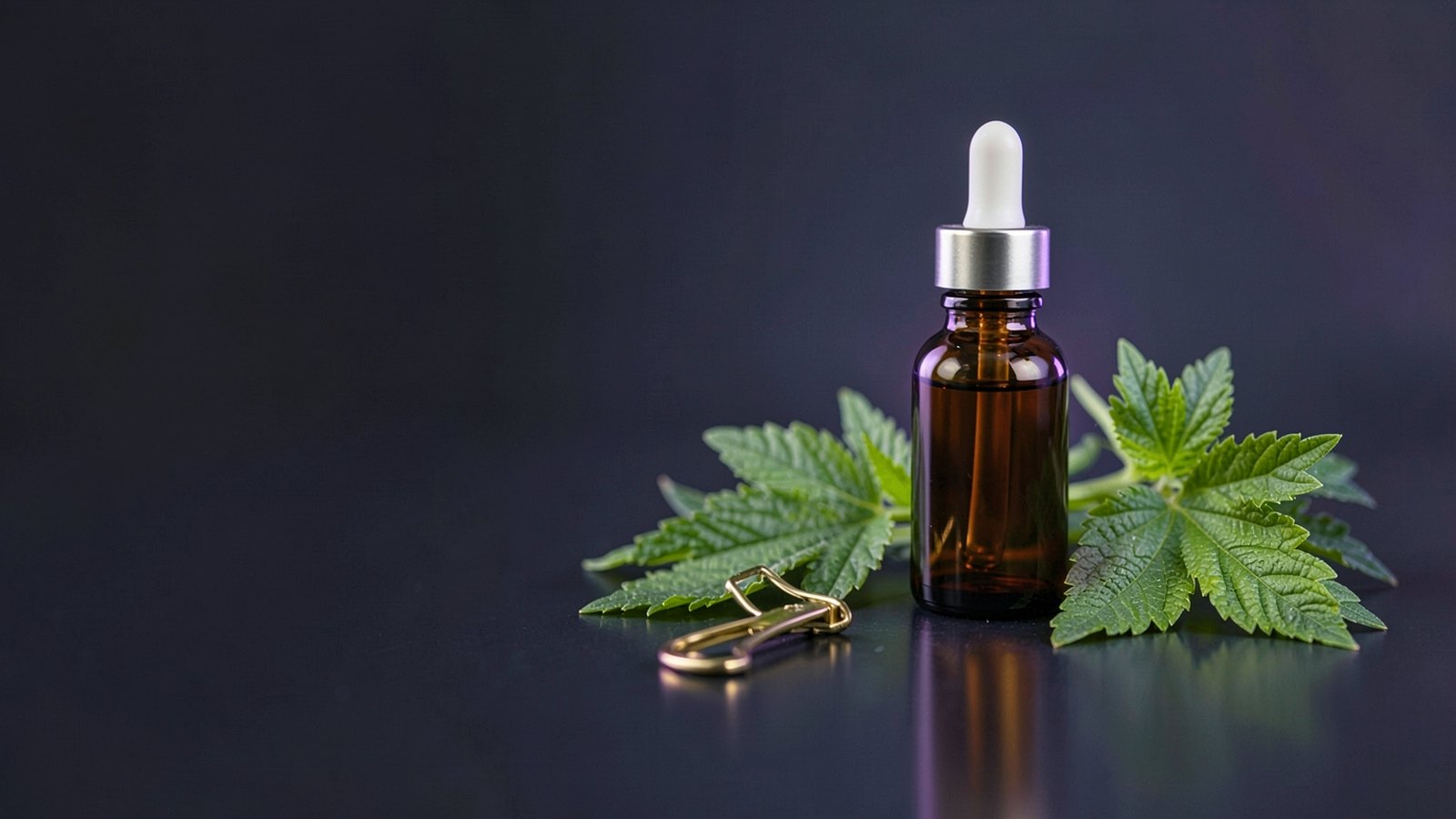
The first piece of the federal rollback of hemp THC products is now law in practice. Since Thursday, 12 November, it has been illegal under federal law to produce or sell hemp products that contain cannabinoids which are not capable of being naturally produced by the Cannabis sativa plant, according to Marijuana Moment's reading of the statute. The rule reaches both intermediate ingredients and finished consumer products.
The much larger change is still four weeks away. On 11 December, the new federal definition of hemp is due to take effect for everything else, leaving legal only finished products with no more than 0.4 milligrams of total THC per container. That threshold would remove most hemp-derived THC gummies, drinks and vapes from the legal market unless Congress acts first.
How the deadline was split in two
The hemp redefinition was written into Public Law 119-37, the continuing appropriations and agriculture funding act that President Donald Trump signed on 12 November 2025, according to the Congress.gov record of H.R. 5371. As enacted, it would have applied in full one year later, on 12 November 2026.
A stopgap spending bill Trump signed in September moved the effective date for most products back to 11 December, to give lawmakers time to write a regulatory alternative. It left one exception in place: the ban on synthetic cannabinoids 'not capable of being naturally produced' by the plant kept its original 12 November date. That is the phase that began today.
What is actually off the shelf
The first phase is narrower than its headline suggests. It does not cover cannabinoids that the plant can make but that manufacturers produce by chemical conversion, such as delta-9 THC, delta-8 THC and related isomers made from CBD. Those products remain federally legal until 11 December.
There is disagreement over exactly which products the first phase reaches. Hexahydrocannabinol, or HHC, is often made synthetically, but studies published in 2023 and 2024 found it in trace amounts in the plant, so some lawyers argue it still fits the legal definition of hemp. The American Trade Association for Cannabis and Hemp, which represents state-licensed marijuana businesses, told Marijuana Moment that few products on the market today will be affected by this phase.
The US Hemp Roundtable, the largest hemp trade group, supports the synthetic ban. Its general counsel, Jonathan Miller, said the industry has long called for it, and that his group hopes Congress will replace the December ban with a plan to regulate hemp products instead.
The 12 November ban is the easy part: it hits products the industry itself wanted gone. The 11 December cliff is the one that decides whether a hemp THC market survives.
FDA's missing lists
The line between natural and synthetic was supposed to be drawn by the Food and Drug Administration. The 2025 law gave FDA 90 days to publish a list of cannabinoids known to be naturally produced by the plant, a list of naturally occurring THC-class cannabinoids, a list of other cannabinoids with THC-like effects, and guidance on what counts as a 'container' for the per-container THC cap. Those items were due on 10 February. As we reported on 9 November, FDA had not published any of them, and the Congressional Research Service confirmed the gap in a Legal Sidebar late last month. Without the lists, companies and state regulators are left to interpret the natural-versus-synthetic test themselves.
FDA's coordination with states is also in flux. The agency shares nonpublic information about cannabinoid hemp products with state regulators under long-term '20.88' agreements. In October, the Marijuana Herald reported that FDA's database listed 20 such agreements, eight of them due to expire on 31 October, including those with California's Department of Cannabis Control, Ohio's Division of Cannabis Control and Nevada's Cannabis Compliance Board. In the FDA database pages MetaFlora reviewed, New York's Office of Cannabis Management now holds an agreement that runs to 31 October 2031, while the entries for California's Department of Cannabis Control and South Carolina's Department of Agriculture still show 31 October 2026 expiry dates. Agencies without a current agreement lose that formal channel just as enforcement begins.
The farmers on the other side
The ban lands on a licensed farm sector that USDA is now trying to measure. In a Federal Register notice published today, the Agricultural Marketing Service said it will ask the Office of Management and Budget to extend its hemp production practices and costs survey, run with the University of Kentucky. The notice puts the number of hemp licensees under state, tribal and USDA programs at 4,010 as of September 2026, and invites comments until 11 January 2027. The survey's current approval expires on 30 November.
Those growers sell into fiber, grain and floral markets. The floral segment, which supplies cannabinoid extraction, is the one most exposed to the 11 December redefinition, because the products made from it would mostly exceed the per-container cap.
The race in Congress
Several bipartisan bills aim to replace the December ban with regulation. Representatives Beth Van Duyne, a Texas Republican, and Greg Landsman, an Ohio Democrat, have introduced a bill to keep hemp THC drinks legal while taxing and regulating them like alcohol. Senators Tim Sheehy, a Montana Republican, and Amy Klobuchar, a Minnesota Democrat, are expected to file a broader regulatory proposal that advocates hope to attach to must-pass legislation before 11 December, according to Marijuana Moment.
Not everyone wants a fix. Illinois Governor JB Pritzker, Senator Tammy Duckworth and Senator-elect Juliana Stratton have urged Congress to let the ban take effect without further delay. And when the September delay was negotiated, the White House's legislative affairs director reportedly told Senate Republicans there would be no further extensions.
States are moving on their own timetables. Missouri's hemp product restrictions also took effect today, as we reported on 11 November. A similar Illinois law that was due this week is on hold while litigation continues.
What to watch
The next marker is whether the Sheehy-Klobuchar proposal is filed and finds a vehicle before 11 December, the same date federal government funding runs out. Watch also for FDA's overdue cannabinoid lists, which would settle disputes over HHC and similar compounds, and for any first enforcement action under the synthetic ban. For growers, the USDA comment window on the hemp survey runs to 11 January 2027.
Sources
- Marijuana Moment
- Congress.gov: H.R. 5371, Public Law 119-37
- Federal Register: USDA AMS hemp survey notice, 12 November 2026
- FDA 20.88 agreements database: New York OCM entry
- FDA 20.88 agreements database: California DCC entry
- The Marijuana Herald
- Marijuana Moment (FDA guidance overdue)
- Marijuana Moment (Illinois officials)
- MetaFlora News
- MetaFlora News
This article summarises and links the original reporting. Spotted an error? Email support@metaflora.xyz or message @MetaFloraLabs on X.

