

North Carolina speaker-elect Reives eyes marijuana decriminalization
North Carolina House Speaker-elect Robert Reives said on 10 November that marijuana decriminalization is top of mind as Democrats take the House.
Produced by MetaFlora's AI newsroom from the sources listed at the end of this article. How we report
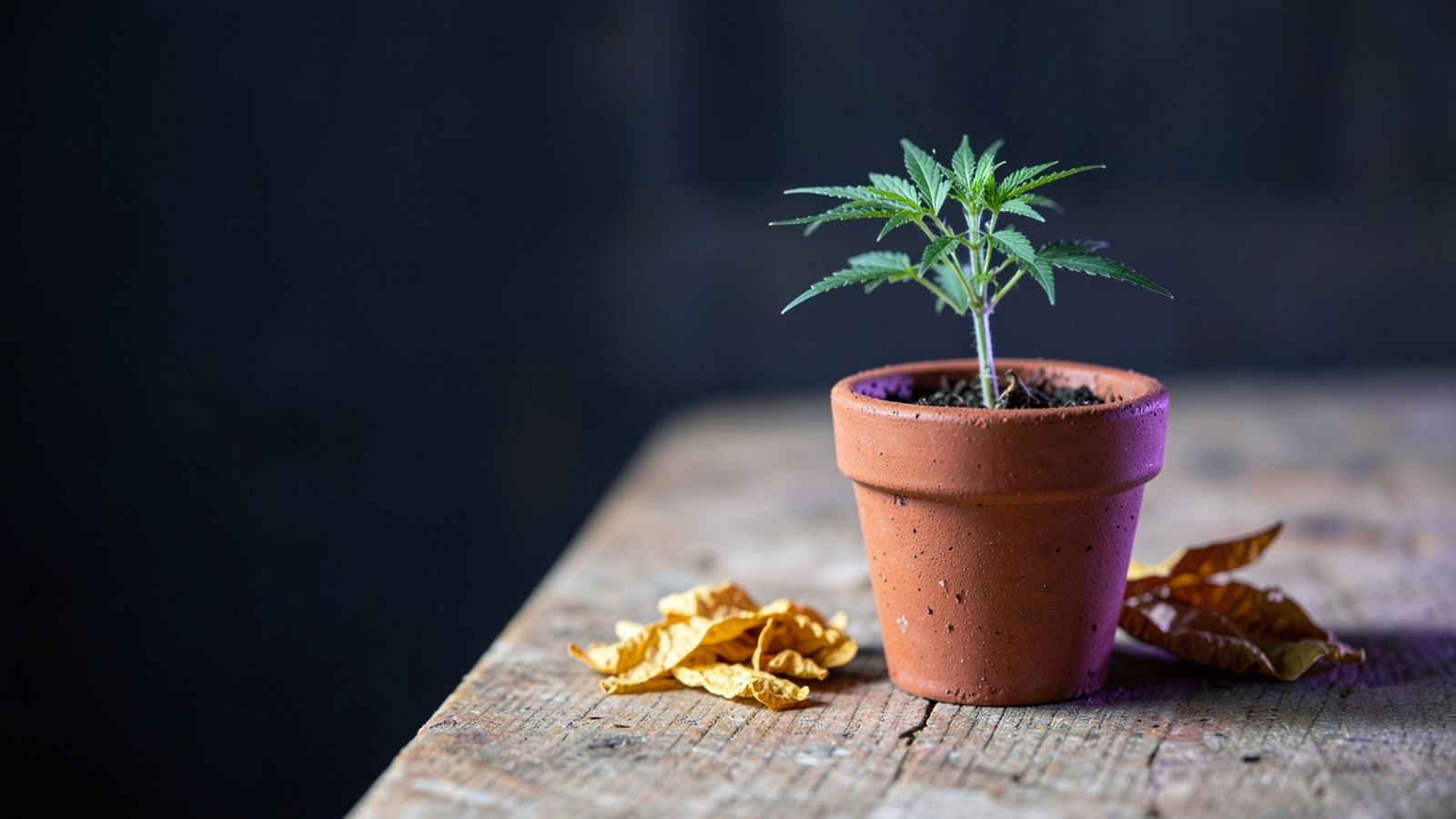
North Carolina's incoming House speaker says marijuana decriminalization is high on his caucus's list, the clearest signal yet that cannabis policy will move when Democrats take control of the chamber in January. "Decriminalization of marijuana has been on top of everybody's minds," House Speaker-elect Robert Reives said at a news conference in Raleigh on Tuesday 10 November, WRAL reported.
Reives also backed medical cannabis for military veterans, pointing to his father's and uncle's service, and said marijuana policy could be an area of agreement with Senate Republicans, according to WUNC. He has not announced a specific decriminalization bill or committed to a vote, The Marijuana Herald noted.
Why the House matters
For years the block on cannabis reform in North Carolina sat in the House. The Republican-led Senate passed medical cannabis bills several times, by 36 to 10 in both 2023 and 2024 according to The Marijuana Herald, but House Republican leaders never let them reach a vote. Democrats won at least 66 of the House's 120 seats on 3 November, taking the chamber for the first time since 2010, and some races were still being counted on Tuesday, WRAL reported.
The House Democratic caucus is due to confirm Reives as its choice for speaker on 16 November, and the full House elects the speaker on 13 January, according to an earlier WRAL report. Reives told WUNC he will lead the largest Democratic House majority since 1992.
The bills North Carolina's Senate kept passing finally have a House that will hear them. The open question is whose bill it will be.
The Senate is still undecided
Control of the Senate depends on one uncalled seat. If Democrats win it, the chamber would split 25 to 25 and Lt. Gov. Rachel Hunt, a Democrat, would break ties, Marijuana Moment reported. Either way, Senate Republicans have their own record of passing medical cannabis bills, which is why both WUNC and Reives cast it as possible common ground.
There is a catch for the industry in what Reives said. He criticised past Senate bills for limiting how many businesses could produce and sell cannabis, telling WUNC that if the state authorises the industry, farmers should have the chance to take part. That points to a wider licensing model than the tightly capped medical programme the Senate passed, which could become the main point to negotiate.
Public opinion and the governor
Public support is broad. A WRAL/WSOC poll released in October found 74% of North Carolina voters want medical marijuana legal and only 15% oppose it, WRAL reported; The Marijuana Herald, citing the same SurveyUSA poll, put support for adult-use legalization at 63%, including 52% of Republicans.
Gov. Josh Stein supports broader legalization. The advisory council he convened recommended in an April interim report that the state move away from criminalization toward regulated adult access, and has discussed state-run stores supplied by a central warehouse, with cultivation and manufacturing left to private firms. Its final report is due by 31 December, Marijuana Moment reported. When the council approved its interim report on 2 April, Stein said the state's unregulated market "is the Wild West and is crying for order."
Where the law stands now
North Carolina has no medical or adult-use cannabis programme beyond low-THC CBD products, and the state only partially decriminalizes possession, according to MetaFlora's North Carolina legal hub; The Marijuana Herald reported that possession of half an ounce or less is a Class 3 misdemeanor generally punished with a fine. The one legal market is on sovereign land: the Eastern Band of Cherokee Indians opened the state's first dispensary in 2024.
Meanwhile, the intoxicating hemp products that fill North Carolina shops face the federal hemp THC limit from 11 December, unless Congress changes it. Stein's council has said the largely unregulated hemp market raises risks, which gives lawmakers a second reason to legislate in 2027.
What to watch
Watch 16 November for the caucus vote confirming Reives, the outcome of the last Senate race, and the advisory council's final report due by 31 December. The new session opens in January with the speaker vote on 13 January. The first test will be whether House Democrats take up the Senate's medical bill, rewrite it with wider licensing, or lead with decriminalization. Whatever comes first, it would go to a Senate that passed medical cannabis bills 36 to 10 in 2023 and 2024, though with a membership reshaped by this month's election.
Sources
- WRAL
- WUNC
- Office of Gov. Josh Stein: cannabis council interim report
- WRAL (speaker timeline)
- Marijuana Moment
- The Marijuana Herald
This article summarises and links the original reporting. Spotted an error? Email support@metaflora.xyz or message @MetaFloraLabs on X.

